

JAS 39 Gripen E: Ruotsin pieni hävittäjä ja sen älykäs taistelujärjestelmä
Saab JAS 39 Gripen E ei yritä olla taivaan suurin, painavin tai kallein hävittäjä. Sen filosofia on toinen: antaa suhteellisen kompaktille koneelle ne anturit, ohjelmistot, elektroninen sodankäynti, verkkoyhteydet, asejärjestelmien integrointi ja toiminnallinen joustavuus, joita tarvitaan selviytymiseen nykyaikaisessa, kiistellyssä taisteluympäristössä. Se tekee siitä yhden sukupolvensa mielenkiintoisimmista hävittäjistä, erityisesti ilmavoimille, jotka tarvitsevat vakavasti otettavan suorituskyvyn rakentamatta koko puolustusbudjettiaan yhden konetyypin varaan.
Hanki JAS 39 Gripen E 3D-mallina
Osoitteessa 3DMilprint.com myymme erittäin yksityiskohtaista 3D-tulostettua JAS 39 Gripen E -näyttelymallia — täydellinen ilmailukeräilijöille, Ruotsin ilmavoimien harrastajille ja nykyaikaisten monitoimihävittäjien ystäville.
👉 Katso JAS 39 Gripen E 3D-tulostettu pienoismalli kaupastamme
Gripen E on Ruotsin Gripen-perheen uusin merkittävä kehitysaskel. Saab kuvaa E-sarjaa uudeksi hävittäjäjärjestelmäksi ilmavoimille, jotka kohtaavat kehittyneempiä uhkia tai joiden on puolustettava laajempia alueita. Sitä on saatavana yksipaikkaisena Gripen E:nä ja kaksipaikkaisena Gripen F:nä. E-version pituus on 15,2 metriä, maksimilentoonlähtöpaino 16 500 kg, siinä on 10 asekiinnityspistettä, ilmatankkauskyky ja yksipaikkaisessa mallissa 27 mm:n Mauser BK27 -tykki.
Gripen C/D:stä Gripen E:hen
Gripen E:tä kuvataan usein päivitykseksi, mutta se aliarvioi muutoksen mittakaavaa. Ruotsin puolustusvoimat toteaa, että E on ”monella tapaa täysin uusi konetyyppi”, jolla on pidempi kantama, suurempi hyötykuorma, uudet anturit, uusi tutka, uudet viestintäjärjestelmät, parempi suoja häirintää vastaan ja selvästi suurempi painotus anturidatan yhdistämiseen ja elektroniseen sodankäyntiin.
Tällä on merkitystä, koska nykyaikainen ilmataistelu ei enää ole vain sitä, kuka kääntyy jyrkemmin tai lentää nopeammin. Kyse on siitä, kuka havaitsee ensin, ymmärtää ensin, jakaa tietoa ensin ja ampuu ensin. Gripen E on rakennettu tämän ajatuksen ympärille. Saab korostaa uutta AESA-tutkaa, infrapuna-hakua ja -seurantaa (IRST), kehittynyttä elektronista sodankäyntiä, nykyaikaisia viestintäjärjestelmiä ja tehokkaampaa GE F414G -moottoria.
Ruotsin ilmavoimien siirtymä heijastaa myös tätä laajempaa muutosta. Kun Ruotsi otti virallisesti vastaan ensimmäisen Gripen E:nsä ilmavoimiin 20. lokakuuta 2025, kone esiteltiin ei pelkkänä uutena suihkukoneena vaan vastauksena vaarallisempaan eurooppalaiseen turvallisuusympäristöön ja tarpeeseen toimia kiistellyissä olosuhteissa.
Perusajatus: tietoetu
Gripen E:n tärkein ominaisuus ei ehkä ole sen moottori tai asekuorma. Se on sen taistelujärjestelmä.
Saab kuvaa, että Gripen E käyttää verkotettua anturidatan yhdistämistä tiedon keräämiseen, käsittelyyn ja jakamiseen reaaliajassa taktisen yksikön kesken. Ajatuksena on, että yksi kone voi käyttää antureitaan aktiivisesti, kun muut pysyvät passiivisina, jolloin muodostelma voi rakentaa taktisen tilannekuvan ja samalla vähentää altistumistaan.
Tämä on iso osa koneen vetovoimaa. Gripen E on suunniteltu vähemmän yksinäiseksi kaksintaistelijaksi ja enemmän yhdistetyn taisteluverkon solmukohdaksi. Saabin kuvauksessa korostuvat ”hiljainen verkottuminen”, anturidatan yhdistäminen ja koneryhmän kyky tehdä yhteistyötä saadakseen ensimmäisen ohjuksenlaukaisumahdollisuuden.
Ohjaamo noudattaa samaa filosofiaa. Gripen E käyttää sitä, mitä Saab kutsuu nimellä Human Machine Collaboration, mukaan lukien laaja-alainen näyttö ja sulautettu tekoälykyky, jonka tarkoitus on auttaa lentäjää käsittelemään monimutkaista tietoa nopeasti. Harrastajille tämä on yksi tärkeimmistä eroista Gripen E:n ja vanhempien neljännen sukupolven hävittäjien välillä: kone on suunniteltu päätöksenteon nopeuden, ei vain lentosuorituskyvyn ympärille.
Anturit, tutka, IRST ja elektroninen sodankäynti
Gripen E:ssä on moderni AESA-tutka ja IRST-järjestelmä, jotka tarjoavat sekä aktiivisia että passiivisia tapoja havaita kohteita. AESA-tutka parantaa kohteiden seurantaa, häirinnänsietoa ja monitoimijoustavuutta, kun taas IRST on arvokas, koska se havaitsee lämpöjäljen lähettämättä tutkasäteilyä. Saab korostaa myös koneen kehittynyttä elektronisen sodankäynnin järjestelmää, johon kuuluvat pallomainen kattavuus ja kyky tukea sekä puolustavaa selviytymistä että hyökkäävän elektronisen vaikuttamisen tehtäviä.
Tässä Gripen E:n rakenne muuttuu erityisen merkitykselliseksi. Monilla mailla ei ole varaa käyttää suuria määriä erittäin kalliita häivekoneita, mutta ne tarvitsevat silti koneita, jotka selviytyvät nykyaikaista ilmapuolustusta vastaan. Gripen E lähestyy ongelmaa elektronisen sodankäynnin, verkottumisen, passiivisen tunnistuksen, hajautetun toiminnan ja nopean päivitettävyyden kautta eikä luota pelkästään matalaan havaittavuuteen.
Ruotsin puolustusvoimat korostaa erityisesti, että Gripen E on rakennettu kiistellyille ympäristöille, joissa koneet voivat kohdata uhkia heti lentoonlähdöstä alkaen eivätkä vain kohdealueen lähellä. Se on hyvä tapa ymmärtää kone: se ei ole pelkkä alusta vaan järjestelmä, joka on suunniteltu jatkamaan toimintaa, kun sähkömagneettinen ja taktinen ympäristö on vihamielinen.
Aseistus ja hyötykuorma
Gripen E:ssä on 10 asekiinnityspistettä, mikä antaa sille enemmän joustavuutta kuin aiemmilla Gripen-versioilla. Saabin julkinen aineisto esittää ja kuvaa koneen kykenevän kuljettamaan nykyaikaisia antureita, aseita ja kotelo-ohjuksia, erityisesti ilmaherruuteen ja verkotettuun ohjuskäyttöön keskittyen.
Yksi Gripen E:hen liitetyistä keskeisistä aseista on MBDA:n Meteor, näköyhteyden ulkopuolelle ylettyvä ilmasta ilmaan -ohjus. Saab yhdistää brasilialaisten Gripen E -koneiden Meteor-ohjusammunnat koneen pitkän kantaman ilmataistelukykyyn. Meteor on tärkeä, koska se sopii Gripen E:n konseptiin: havaitse, jaa ja laukaise ennen kuin vastustaja ehtii sanella taistelun kulun.
Kone on suunniteltu myös monitoimitehtäviin: ilmapuolustukseen, tiedusteluun ja iskuihin. Embraerin kuvauksen mukaan brasilialainen F-39E Gripen on suunniteltu tehtäviin kuten ilmapuolustus, tiedustelu ja hyökkäys, ja siinä yhdistyvät modernit lentoelektroniikka, anturit, aseet ja tehtäväjärjestelmät monimutkaisia ympäristöjä varten.
Kantama, huolto ja hajautettu toiminta
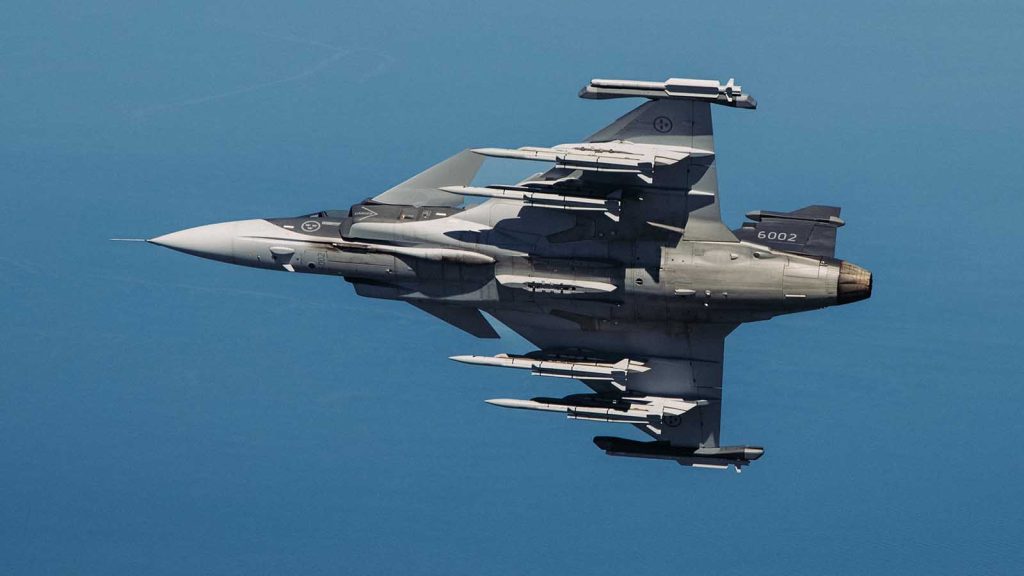
Klassinen Gripen-vahvuus on toiminnallinen käytännöllisyys. Saab ilmoittaa Gripen E:n taisteluvalmiuden palautusajaksi 15–25 minuuttia ja vahvistaa ilmatankkauskyvyn sekä Gripen E:lle että F:lle. Tämä suhteellisen nopea palautusaika on keskeinen osa koneen ruotsalaista DNA:ta: Gripen rakennettiin maalle, joka odotti koneiden toimivan hajautetuilta tukikohdilta, tietukikohdista ja rajallisesta infrastruktuurista, jos suuret lentotukikohdat joutuisivat uhan alle.
Gripen E vie tämän logiikan nykyaikaisempaan taisteluympäristöön. Enemmän polttoainetta, pidempi kantama, suurempi hyötykuorma, paremmat anturit ja vahvempi elektroninen sodankäynti antavat koneelle enemmän ulottuvuutta ja taktisia vaihtoehtoja kuin C/D-sukupolvella. Ruotsin puolustusvoimat toteaa suoraan, että Gripen E:llä on pidempi kantama ja se voi kantaa raskaampaa kuormaa kuin aiemmat versiot.
Ilmatankkaus on myös tärkeää. Marraskuussa 2025 Embraer, Saab ja Brasilian ilmavoimat saattoivat päätökseen sertifiointilentokokeet Gripen E:n tankkaamiseksi KC-390 Millennium -koneesta. Koekampanjassa arvioitiin useita lentokokoonpanoja, nopeuksia ja korkeuksia, mukaan lukien päivä- ja yöaikainen suurnopeustankkaus yhteensopivuus koko KC-390:n lentoalueella.
Ruotsi, Brasilia, Kolumbia ja Thaimaa
Gripen E ei ole enää pelkästään ruotsalainen hanke. Saab ilmoittaa, että Gripen E -sarjan koneita on tilattu 117: 60 Ruotsille, 36 Brasilialle, 17 Kolumbialle ja 4 Thaimaalle.
Ruotsin tilaus on ohjelman perusta. Saab ja Ruotsin puolustusmateriaalihallinto allekirjoittivat kesäkuussa 2025 lisäsopimuksen 2,9 miljardin kruunun arvosta Gripen E:n valmistukseen liittyvästä kalustosta, mikä tukee Ruotsin 60 koneen tilausta ja pitää samalla Gripen C/D -kaluston käytettävissä siirtymävaiheen ajan.
Brasilia on toinen merkittävä pilari. Sen F-39E-ohjelmaan kuuluvat teknologiansiirto, paikallinen tuotanto ja syvempi teollinen yhteistyö. Maaliskuussa 2026 Embraer, Saab ja Brasilian ilmavoimat esittelivät ensimmäisen Brasiliassa valmistetun Gripen E:n Embraerin Gavião Peixoton tehtaalla. Embraerin mukaan Brasilian sopimus kattaa 36 Gripen-konetta: 28 yksipaikkaista Gripen E:tä ja 8 kaksipaikkaista Gripen F:ää.
Brasilian tuotantolinja on strategisesti tärkeä. Embraerin mukaan Gavião Peixoton tehdas valmistaa Gripen E:tä brasilialaisilla ja kansainvälisillä toimitusketjuilla, ja rakenneosat tulevat Saabin São Bernardo do Campon yksiköstä. Lisäksi 14 konetta nykyisen Brasilian sopimuksen puitteissa seuraa tätä tuotantomallia.
Mitä Gripen E on — ja mitä se ei ole
Gripen E ymmärretään parhaiten erittäin verkotettuna, elektronisesti hienostuneena ja kustannustietoisena monitoimihävittäjänä. Se ei ole raskas kaksimoottorinen ilmaherruushävittäjä kuten F-15EX, eikä sitä markkinoida häivekoneena kuten F-35:tä. Sen vahvuus on erilainen tasapaino: kehittyneet anturit, elektroninen sodankäynti, nykyaikaiset aseet, nopea ohjelmistokehitys, tehokas toiminta ja kyky tuottaa taistelulentoja hajautetusta infrastruktuurista.
Tämä tekee siitä erityisen houkuttelevan maille, jotka tarvitsevat uskottavan ilmapuolustus- ja iskukyvyn mutta välittävät myös suvereniteetista, teollisesta osallistumisesta ja kestävistä käyttökustannuksista. Brasilian ohjelma osoittaa tämän selvästi: konetta ei vain osteta, vaan se myös valmistetaan paikallisesti osana pitkän aikavälin teollista ja teknologista kumppanuutta.
Loppusanat
Gripen E on yksi markkinoiden älykkäimmin asemoiduista hävittäjistä. Se ei voita jokaista vertailua työntövoimassa, hyötykuormassa, häiveominaisuuksissa tai taistelusäteessä, mutta yhdistää kaikkia riittävästi ja painottaa tavallista vahvemmin elektronista sodankäyntiä, ohjelmistoja, verkottumista ja toiminnallista joustavuutta.
Ilmailun harrastajille se on kiehtova. Pienille ja keskikokoisille ilmavoimille se on käytännöllinen. Ruotsille se edustaa jatkuvuutta: kansallinen hävittäjä, joka on suunniteltu ilmatilan puolustamisen todellisuuteen paineen alla. Brasilialle se edustaa sekä ilmavoimaa että teollista kyvykkyyttä. Ja maailmanlaajuisille hävittäjämarkkinoille Gripen E on todiste siitä, että nykyaikaisten taistelukoneiden ei tarvitse kaikkien noudattaa samaa suunnitteluajattelua pysyäkseen merkityksellisinä.
🧱 Nyt voit omistaa sen
3DMILPRINT:ssä olemme vanginneet Gripen E:n ikonisen muodon ja yksityiskohdat 3D-tulostettuun malliin, joka sopii keräilijöille, sotilasharrastajille ja kaikille, jotka ihailevat ruotsalaista puolustusteknologiaa.
Olipa se työpöydällä, harrastehuoneessa tai lahjana, malli on kunnianosoitus nykyaikaiselle ruotsalaiselle ilmailulle.